
Table of Contents
As a huge fan of One Piece, I was naturally drawn to the One Piece Trading Card Game (OPTCG). The idea of collecting pieces featuring my favorite characters and exploring the strategy behind the game sounded amazing. But being a complete beginner, I had no clue where to start—how to make purchases, which sets to focus on, or how to protect my collection. After doing some research, visiting local hobby shops, and speaking with more experienced collectors, I’ve put together this guide for anyone like me who wants to dive into the world of One Piece collectibles. For moments when I take a break from collecting, I also like to enjoy online slots like Reactoonz, which is a fun way to mix gaming with a bit of chance.
Understanding the Basics
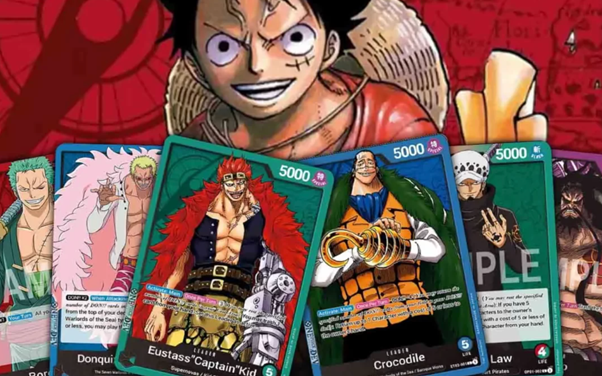
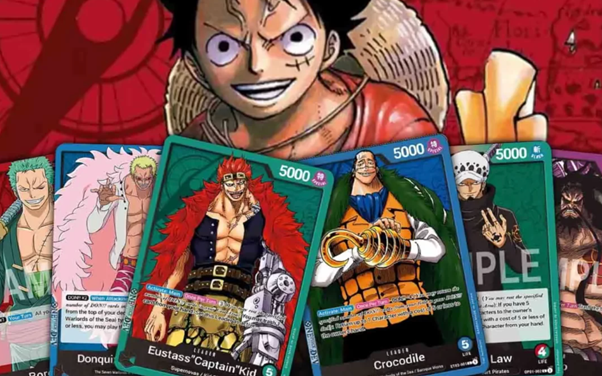
Before buying your first cards, it helps to understand the structure of the One Piece Card Game. Every card has a rarity, usually indicated by a letter in the bottom right corner. The most common rarities are:
- Common (C)
- Uncommon (UC)
- Rare (R)
- Super Rare (SR)
- Secret Rare (SEC)
- Leader (L)
Some cards also have stars or letters like [SP], indicating special parallel prints or alternative art versions. These are often more collectible and valuable. Among them, Manga Rare cards stand out - they feature panels from the One Piece manga and have special foil designs, making them highly sought after.
Knowing this system helped me prioritize which cards to look for when building a collection. Not every card is equally rare, and understanding these classifications makes collecting less overwhelming.
Starter Decks: The Easiest Way to Begin
If you’re like me and want to learn the game before investing heavily, starter decks are the way to go. They’re affordable, ready to play, and usually focused on popular characters like Buggy, Bonney, or Luffy. A good tip I learned is that if you plan to build a deck, you’ll typically need two copies of the same starter deck, since key cards are often included in pairs.
Starter decks allow you to practice playing the game, understand card interactions, and experiment with different strategies without spending a fortune. Plus, they give a solid foundation before you move on to booster packs or more advanced decks.
Booster Packs and Boxes
Once I was comfortable with starter decks, I started exploring booster packs. Here’s what I learned:
- English booster packs usually contain 12 cards: 8 commons, 2 uncommons, 1 rare, and 1 “wild card,” which could be a rare, super rare, secret rare, or special art card.
- Some packs feature alternative leader art or special “Don!!” cards, which are always exciting to pull.
- A standard booster box includes 24 packs, often guaranteeing a few leader packs and secret rares.
For collectors, there are also Extra Booster Boxes (EB) and Premium Booster Boxes (PRB). EB boxes include limited items and sometimes have fewer hits per box, while PRB boxes reprint popular pieces from previous sets, often in gold variants. These boxes are smaller, usually containing around 20 packs, but they’re a great way to secure high-demand pieces without hunting multiple sets individually.
I found it helpful to treat booster boxes as an experience rather than a guaranteed way to pull rare items. Sometimes you’ll get a Manga Rare or an SP piece, and sometimes you won’t—but opening them is part of the fun.
Top Sets and Cards for Beginners
If you want to start collecting with some direction, here are some sets and cards I’ve found most beginner-friendly and valuable:
- OP09: The Emperors in the New World – This set has the most Manga Rares, including Gol D. Roger, which is highly sought after.
- OP05: Awakening of the New Era – Features a Gear 5 Luffy chase card, a fantastic pull for both collectors and players.
- OP11 – Contains unique SP Manga Luffy cards in gold and silver variations, offering excellent display value.
For a cheaper start, OP08 Two Legends and OP10 Royal Blood are easier to find and budget-friendly. They may not have the flashiest hits, but they’re great for learning the game and slowly building a collection. Upcoming sets like PRB02 promise more Gold SP cards, which will add value to both a beginner’s collection and a competitive deck.
Where to Buy Cards
Finding One Piece collectibles can be challenging depending on where you live. In Canada, I started checking big retailers like Walmart and Target, but stock is often limited. What really helped was visiting local hobby shops. Many of these stores carry sets, hold weekly tournaments, and can even help you locate rare items or starter decks. Talking to the owners or staff is invaluable—they often know which sets are best for collectors or competitive players.
For online purchases, I recommend sticking to trusted marketplaces or reputable stores. Always check the condition of items and read seller reviews. Sometimes buying singles online can save money, but it also requires vigilance to avoid damaged or misrepresented pieces.
Protecting Your Collection
Once you start building a collection, protecting your items is crucial. Here’s what I learned:
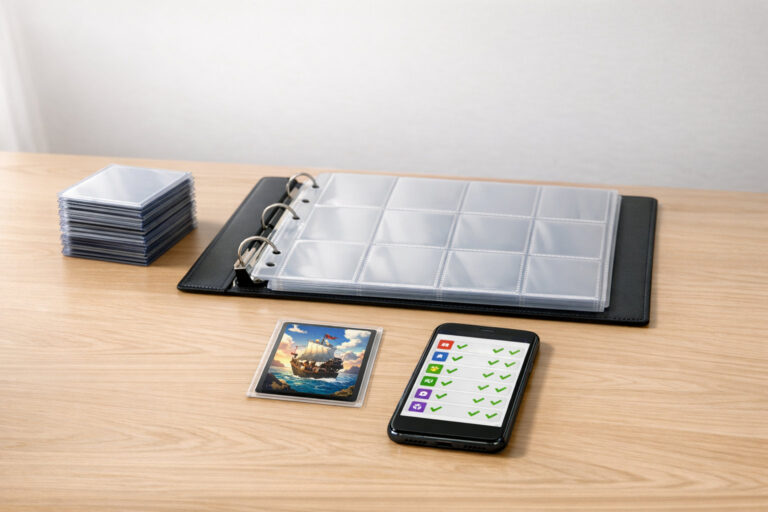
- Use sleeves for every piece you want to keep safe.
- Store rare or valuable ones in top loaders or hard cases.
- Organize your collection in binders or boxes to prevent bending and scratching.
- Keep everything away from sunlight and moisture.
I’ve personally fallen in love with the alternative art and Manga Rare pieces, so protecting them became my top priority. Even for beginner-friendly items, a simple sleeve and binder system goes a long way in maintaining their value and quality.
Common Beginner Mistakes
From my experience and advice from fellow collectors, here are mistakes to avoid:
- Buying cards without a plan – Decide if your focus is collecting, playing, or both. Random purchases can get expensive quickly.
- Ignoring rarity and value – Understanding SR, SEC, and Manga Rare helps prioritize your purchases.
- Overpaying for bulk packs – Start with starter decks or specific singles you want.
- Neglecting protection – Cards can lose value fast if bent, scratched, or exposed to sunlight.
- Chasing rare cards impulsively – Sometimes it’s better to wait for a deal or trade than overspend for a single card.
Keeping these tips in mind saves both money and frustration, making the hobby much more enjoyable.
Playing the Game
If you decide to play rather than just collect, starter decks are again the best starting point. They teach the rules, help you understand card interactions, and allow you to practice strategy. Once comfortable, you can incorporate booster cards to create stronger decks.
Remember, winning isn’t just about having rare cards - it’s about deck synergy, strategy, and timing. Even common cards can become powerful in the right setup.
My Personal Tips
- Start small – Buy one starter deck or a few singles you love. Keep costs manageable while learning the game.
- Track your collection – Use a spreadsheet or an app to note which cards you own and which you want.
- Join a local community – Hobby stores, card tournaments, or online forums can help you learn and trade.
- Open boxes for fun – Treat booster boxes as mini-events. The thrill of opening cards is just as enjoyable as the rare hits.
- Consider online options – I’ve personally tried ReveryPlay Casino, which offers a safe way to explore card game-themed entertainment online. It’s not a replacement for collecting, but it’s a fun way to enjoy the excitement of card pulls responsibly.
Final Thoughts
Starting with the One Piece Card Game can feel overwhelming at first, but it’s incredibly rewarding. Whether your goal is to collect your favorite characters, build a competitive deck, or enjoy opening booster packs, the key is to start small, stay organized, and protect your cards. Take your time, learn the game, and enjoy the stunning artwork and strategy that One Piece brings.
For me, collecting and learning the game has made the experience unforgettable. If you’re a fan of the series, there’s never been a better time to start building your One Piece Card Game collection.