
Table of Contents
The jump from locals to high-stakes One Piece TCG events means stepping onto a bigger stage—regional qualifiers, championship weekends, feature matches, and prize pools that turn every decision into a pressure test. You can play clean, sequence perfectly, and still lose a round for something that has nothing to do with your lines of play.
That's the part a lot of players learn the hard way: gameplay skill is only half the battle. Deck presentation, sleeve consistency, and basic compliance are what separate "prepared" from "penalized."
If you're serious about competing, treating your One Piece card sleeves and deck condition as part of your tournament prep isn't optional; it's a competitive skill.
Why Deck Checks Exist and What They're Looking For
Deck checks aren't judges "looking for a reason" to penalize you. They exist to protect the integrity of the event, so matches are decided by gameplay, not by whether someone can identify specific cards from the back of their deck.
In sanctioned play, judges are trained to focus on two core risk areas:
- Marked cards: Anything that makes certain cards identifiable while face down, such as scratches, creases, edge wear, bent corners, or distinctive sleeve damage. Even if unintentional, they can still create an advantage.
- Sleeve inconsistency: Differences in sleeves that make subsets of cards stand out, like mixed brands, different textures, different levels of wear, or even slight color variation between packs.
Once you understand what judges are looking for, the rest of deck maintenance becomes straightforward. Your goal is to make the backs of your deck look boringly identical across every shuffle, cut, and search. That’s not just “nice to have.” It’s what keeps you from taking a warning (or worse) for something preventable.
How Marked Cards Are Identified at TCG Events
Marked cards can sound like a problem that only affects cheaters. In reality, most marked-card issues come from normal wear, especially if you play weekly, travel with your deck, or run high-traffic staples that get searched and handled constantly.
What Counts as a "Marked" Card
A card is considered "marked" when it can be identified from the back (or through the sleeve) while it's face down. That includes obvious damage on the card itself, but sleeves are the usual culprit.
Common examples judges will flag:
- Scratches or scuffs on the sleeve back (often from rough playmats, tables, or sliding cards)
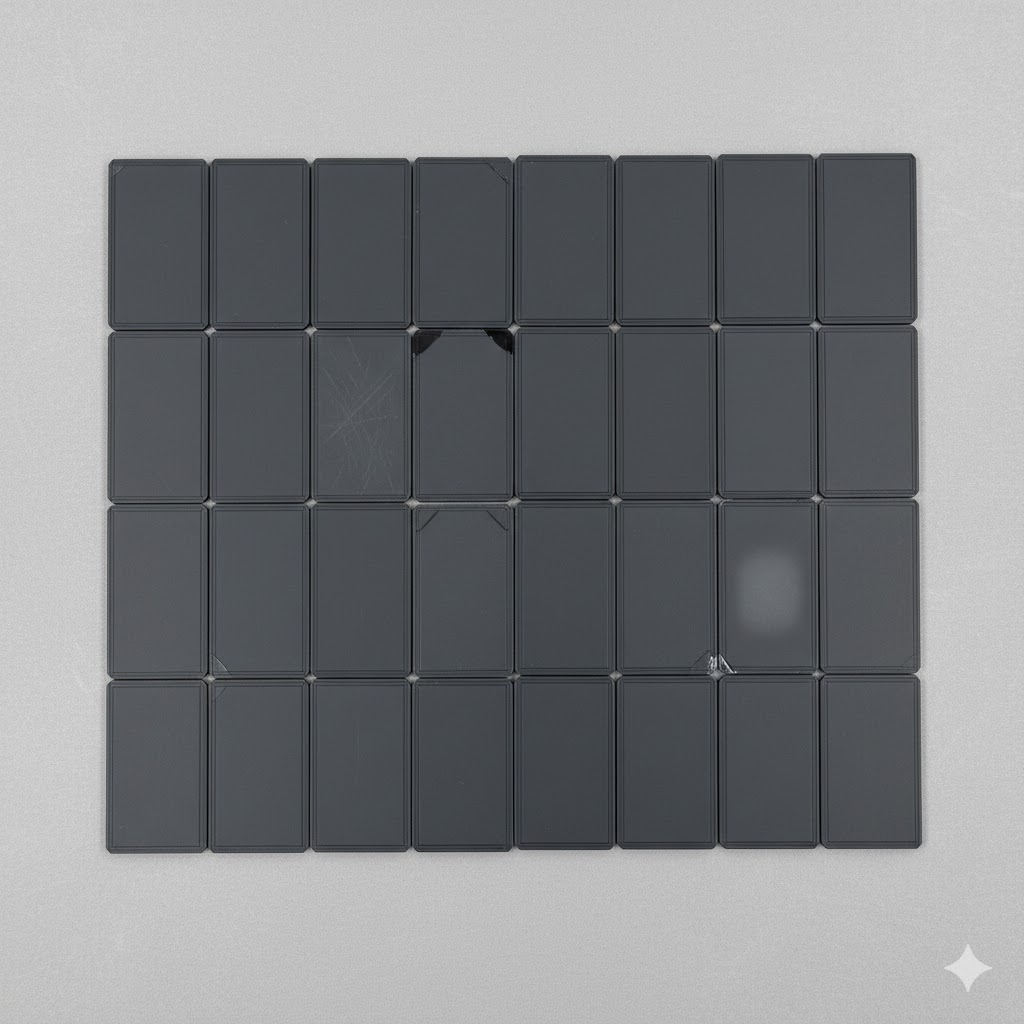
- Creases or bends at the corners, such as tiny "dog-ears" that catch the light
- Edge whitening on the card that shows through clear or thin materials
- Sleeve splitting along the side seam, even if it's only a few millimeters
- Clouding or haze on sleeves (often affecting the same handful of frequently handled cards)
Image caption: Small differences become obvious during a deck check, and that’s when penalties start.
The Pattern Test
Judges don't just ask, "Is there wear?" They ask, "Is there a pattern?"
- Random wear: A few sleeves show minor scuffing with no relationship to the cards themselves. This is often treated as a fixable deck condition issue.
- Patterned wear: Wear consistently appears on specific, high-impact cards, such as your Leader, key combo pieces, specific events you always search for, or the same four-of finisher. That's when the situation gets serious because it suggests you could identify those cards while face down.
For example, if three sleeves are lightly scratched at random, that's one thing. If all copies of a crucial 2K counter have a nick in the same corner, that's another. Patterned marking is what pushes outcomes toward harsher penalties.
Foil and Alt-Art Cards: Special Considerations
One Piece TCG is packed with playable foils and desirable alt-arts, and those cards don't always age like standard prints. Foils can show:
- Surface wear more quickly, including micro-scratches that catch overhead lighting
- Edge wear more clearly than non-foil prints
- Subtle warping depending on humidity and storage conditions
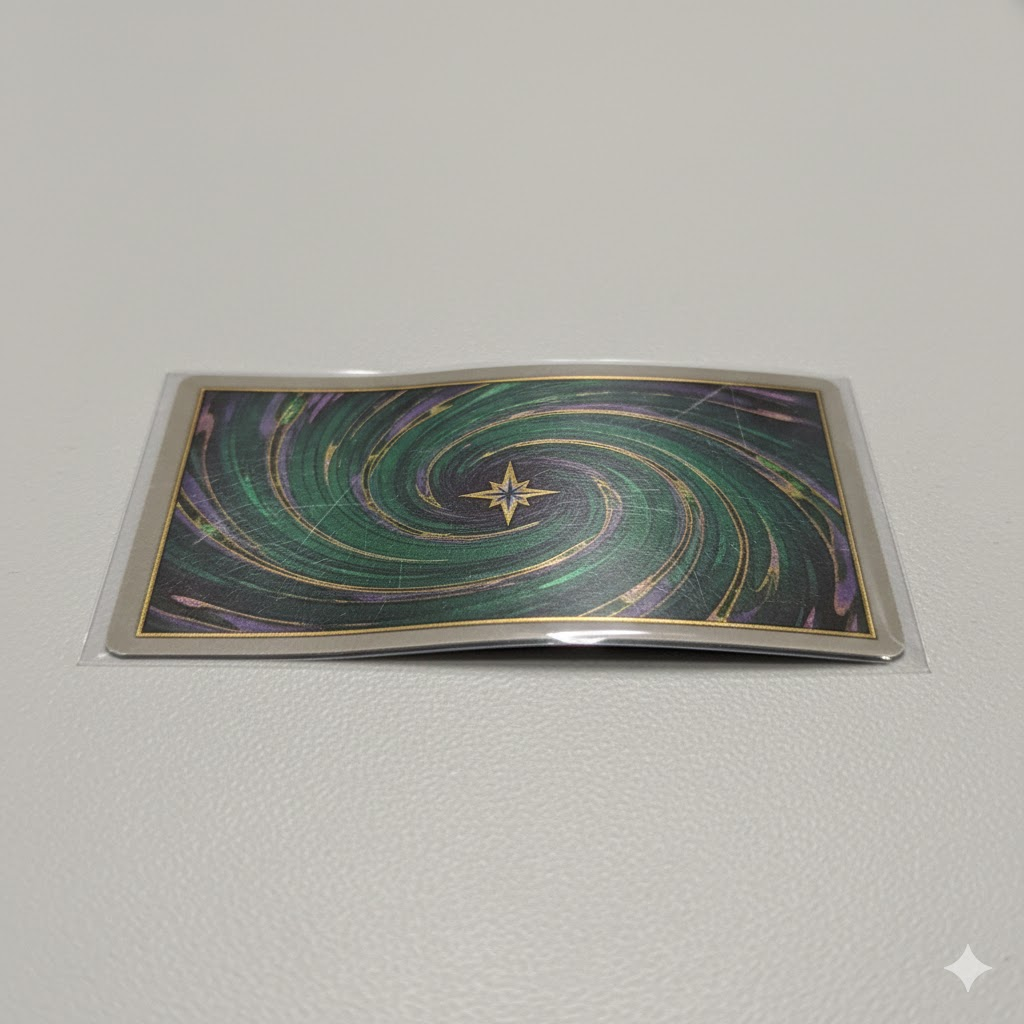
Judges understand that collectors play with premium cards, but they'll still act if those cards create identifiable differences. If your alt-art staples are the only cards that look slightly more "shiny" or more worn through the sleeves, that can turn into a pattern.
This is where sleeve choice matters more than most players realize. High-contrast or uneven sleeve backs can make tiny differences easier to spot. The goal is to keep the deck's outward appearance consistent enough that foil vs. non-foil doesn't become a tell.
What Happens During a Deck Check
Deck checks feel intimidating mostly because players don't know what to expect. Once you've been through a few, they're more routine than scary, assuming your deck is in good shape.
Here's what a typical deck check looks like at a sanctioned One Piece TCG event:
When they happen:
- At the start of a round (common for random checks)
- Randomly at any point during the event
- Upon request (for example, if a judge needs to resolve a deck legality concern)
What judges physically examine:
- Sleeve condition and uniformity: Are there any sleeves with obvious damage, texture differences, or color mismatches?
- Face-down appearance: Judges may fan or spread the deck to look for cards that stand out.
- Deck legality: Correct counts, legal cards for the format, and any required components.
- DON!! deck and registered materials: Judges may verify that your DON!! deck and submitted deck list match what you are presenting.
How long it takes:
Most deck checks are brief, often lasting just a few minutes. If there's a potential marked-card issue, the process can take longer. Judges may call over a second judge to confirm what they’re seeing or run additional checks to determine whether the wear is random or patterned.
Possible outcomes:
- No issue found: You get your deck back and play on.
- Fixable issue + warning: You're instructed to resleeve or replace specific sleeves, often immediately.
- Game loss: More likely when markings appear patterned or the issue is significant enough to affect match integrity.
- Disqualification: Reserved for intentional marking or cheating behavior. A single split sleeve won’t trigger it. Deliberate intent and a clear unfair advantage will.
The key point is simple: deck checks aren't rare at bigger events, and they aren't personal. If you prepare for them, they become a non-event.
What actually triggers a game loss?
Game loss penalties are not random. They typically occur when one of the following is true:
- Clear patterned marking: Multiple sleeves show wear in a way that makes specific cards identifiable while face down.
- Failure to fix when instructed: A player does not properly correct a sleeve or deck issue after a judge’s instruction.
- Deck registration mismatch: The deck presented does not match the submitted deck list.
- Significant integrity impact: The issue is serious enough to affect match fairness or card identifiability.
How to Prevent Penalties Through Proper Deck Maintenance
You can't control when a deck check happens, but you can control how your deck looks when it does. Think of deck maintenance like shuffling technique: it's boring until it saves you.
Inspect Your Deck Before Every Event
Do a real inspection. Don't just glance at the top few cards.
A solid pre-event routine looks like this:
- Pull every card from the deck and stack them neatly.
- Under bright, direct light, check sleeve backs for scuffs, scratches, clouding, and seam splits.
- Look closely at corners and edges. That's where wear patterns form first.
- If you use inner sleeves, check that none are peeling, crinkled, or riding up inside the outer sleeve.
A helpful trick is to run the Pattern Test. Spread the sleeved deck face down in a grid and stand over it. If your eyes lock onto a few “different” backs immediately, you’ve found the problem before a judge does.
Keep Your Sleeves Uniform
This is where many competitive players get clipped, not because their sleeves are torn but because their sleeves aren't consistent.
Common sleeve uniformity mistakes include:
- Mixing brands mid-season because you ran out
- Replacing only some sleeves, leaving the deck with two different wear levels
- Using sleeves from different batches that look identical in the pack but reflect light differently
- Switching colorways or finishes (matte vs. glossy)
At a glance, judges are looking for a single, uniform look across your entire deck. That's why it's smart to stick to one sleeve model and buy enough to last.
If you're choosing a dedicated sleeve line for the game, TitanShield One Piece card sleeves are a straightforward example of sleeves designed for durability and consistent backing, exactly the kind of "everything matches" presentation that helps your deck look uniform across 50+ cards and any additional components required by your event.
The takeaway? Don't mix and match. Pick one sleeve model you trust and keep your entire deck in it.
Double Sleeve High-Value Decks
If you're playing expensive foils, alt-arts, or a deck you've invested heavily in, double sleeving helps slow down wear over time.
A typical setup includes:
- An inner sleeve (often a snug "perfect fit")
- An outer sleeve (your main One Piece card sleeve)
This reduces direct card-to-sleeve friction and helps protect against minor moisture exposure, such as sweaty hands in a packed venue. It also means that if an outer sleeve gets scuffed, you can replace it without repeatedly handling the raw card.

One caution: some events or organizers have preferences regarding opaque vs. clear inner sleeves. It's rare, but it happens, so check the event rules the week of the tournament.
Replace Damaged Sleeves Immediately
Sleeves don't always fail politely. A side seam can split during a shuffle. A corner can crease after you check your deck between rounds. If something looks off, treat it like equipment failure and fix it immediately.
Most major events will allow you to replace a damaged sleeve as long as you have matching spares and you're not creating new inconsistencies.
Your best move:
- Bring 10–20 matching spare sleeves (same brand, same model, and ideally from the same batch).
- If a sleeve gets nicked, call a judge and replace it right away.
- Don't wait for a deck check to discover it. Proactive replacement signals responsibility and prevents you from playing a round with a compromised deck.
Tournament Day Preparation Checklist
The day before a major event is when you buy yourself peace of mind. You're eliminating the small, avoidable problems that steal focus once pairings go up.
The day before:
- Do a full face-down spread of your deck under strong light. Replace any suspicious sleeves and set aside your spares.
- If you double-sleeve, make sure the inner sleeves are seated properly and not creeping upward.
- Pack your deck box so the deck isn’t rattling around on the way to the venue.
The morning of:
- Give the deck a quick second look, focusing on corners and seams.
- Confirm you have matching spare sleeves.
- Skim the event’s posted rules, especially anything related to deck registration, time extensions for deck checks, or organizer preferences around inner sleeves and sleeve opacity.
- If you’re traveling, keep your deck out of extreme heat. Sleeves can warp or become tacky, which is a miserable surprise right before round one.
The Bottom Line: Make Deck Maintenance Part of Your Game
If you’re serious about improving your results, treat your deck the way an athlete treats their shoes or a musician treats their strings. Not because it’s precious but because it’s performance gear.
Players who consistently avoid deck penalties aren’t “luckier.” They’re doing the unglamorous work, namely replacing worn sleeves early, refusing to mix sleeve types, keeping spares in their bag, and checking their deck the same way they check their list.
There’s a long game here, too. Good sleeve habits help you avoid warnings and preserve card condition over months of play. In One Piece TCG, where certain cards carry real collector value, maintaining clean, unmarked cards safeguards both match integrity and your investment.