Table of Contents
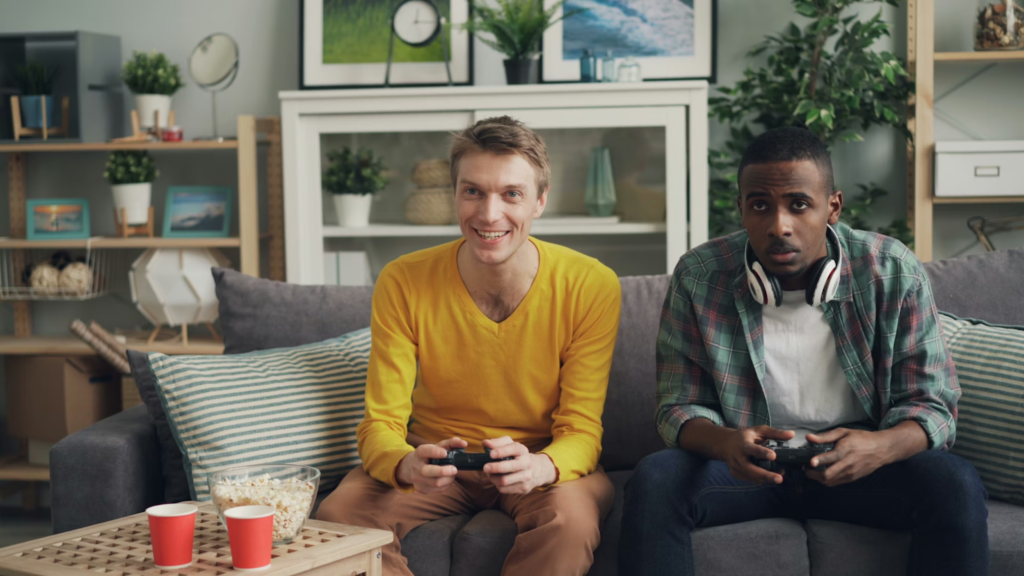
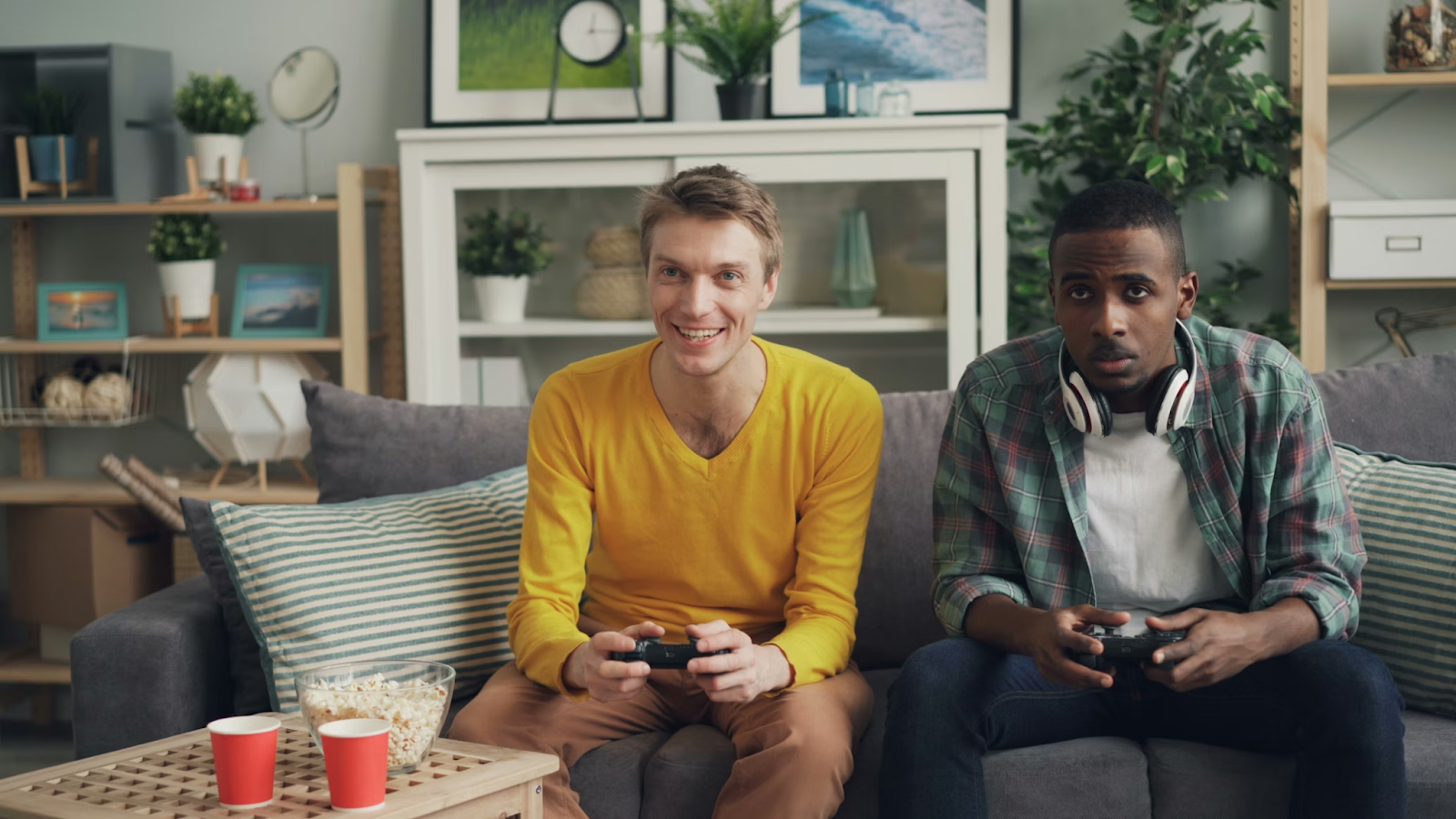
Gaming used to be described as escape. That word still fits sometimes, but it no longer explains enough. For millions of people, games are not where social life disappears. They are where it becomes visible. Friends meet there after work. Strangers coordinate, joke, argue, and build running traditions there. Fans do not just consume worlds designed by studios; they inhabit, document, remix, and keep them alive between updates.
That is why modern fan culture looks different from the old model of passive entertainment. A player can also be a viewer, a modder, a clip editor, a tournament follower, a meme distributor, a lore detective, and a community organizer all in the same week. Games are no longer one lane of attention. They are ecosystems.
Community is the product now
A game can launch with sharp mechanics and beautiful art, but it rarely becomes culturally durable without some form of social glue. Discord servers, guilds, fan wikis, tournament chats, patch debates, ranking culture, inside jokes, and shared frustrations all help transform play into belonging. The strongest titles are not only fun to play. They are rich to talk about.
That shift has changed what players value:
- they want updates they can debate, not just consume;
- they care about status systems that create stories;
- they stay longer when the community gives them a role.
A digital world becomes stickier once people start seeing other people inside it, not just objectives.
Streaming changed the emotional shape of games
The rise of streaming added another layer to engagement. Suddenly, the act of watching became its own social performance. Viewers were not only learning strategies or scouting new titles. They were sharing reactions in real time. A clutch moment, a disastrous throw, a bizarre glitch, a perfect speedrun split: all of it could turn into communal memory within seconds.
Streaming also flattened the distance between expert and audience. The best creators do not merely display skill. They narrate it. They let people feel smart for noticing timing windows, map control, team chemistry, draft logic, or build choices. In that sense, streams operate like sports commentary with a stronger sense of proximity. The crowd is not in the stadium. It is in the chat.
Competition, reward, and unpredictability keep people close
Games have always understood something older than technology: uncertainty creates attachment. A close round, a rare drop, a comeback, a risky push, a brilliant call under pressure: these moments stay in memory because they combine skill with suspense. That is also why competitive communities remain emotionally charged long after a title’s novelty fades.
Fans who love this rhythm often move easily between esports and traditional sports betting because the emotional structure feels familiar. They watch form, momentum, matchup quirks, and the psychology of pressure. That is where melbet zambia enters the conversation naturally for audiences who want live odds, broad event choice, and a fast second-screen experience. The attraction is not just the possibility of reward. It is the pleasure of reading uncertainty in real time and seeing whether your interpretation survives contact with the match.
The second screen is now permanent
Modern gaming culture almost never happens on one screen. Players jump between the game itself, patch notes, clips, stat pages, livestreams, chats, and short-form reaction content. Even single-player titles get pulled into this loop through theory videos, boss guides, challenge runs, and fan art. Play spills outward constantly.
This second-screen behavior changes how loyalty is built. Fans no longer wait for official marketing beats to stay engaged. They maintain the culture themselves between releases. A dormant period in the development cycle can still feel active if the community keeps producing meaning around it. In practical terms, that means fan culture now depends as much on circulation as on design.
Esports made spectatorship native to gaming
Esports did more than create tournaments. It made competitive spectatorship feel native to games that once seemed too complex for outsiders. Over time, broadcasts improved, storylines deepened, and viewers learned how to read drafts, rotations, economy swings, and objective control. As a result, esports fandom became easier to enter and harder to leave.
The strongest scenes also borrow from traditional sports without copying them blindly. They have rivalries, seasons, transfers, metas, heartbreak, and legends, but they move faster. A patch can reorder the hierarchy. A role swap can change a career. A new game mode can shift audience interest. That volatility keeps communities alert. No one gets to sleep through the season.
What gaming fan culture understands about modern attention
Gaming communities are good at something many other industries still misunderstand. People do not stay engaged because they are trapped. They stay engaged because they feel involved. They want to matter to the conversation, to spot the trend early, to explain the patch, to clip the moment, to teach the newcomer, to call the upset before it happens.
That is why gaming culture feels so alive when it works. It does not ask the audience to sit quietly and admire. It invites them to react, organize, speculate, and return. In a crowded digital world, that level of participation is hard to fake. And once players find a world where their attention feels useful, not just extracted, they rarely forget where they felt that spark.