
Table of Contents
The One Piece Card Game is nearing its second anniversary. It has grown beyond what many fans expected. Global interest is rising, reaching communities like Hellspin New Zealand.
It has combined amazing sales with a lively competitive scene. Over 2,500 players competed at the European Finals in Utrecht, the Netherlands, in January. So where should a new player begin with this game? That’s where I come in.
One Piece TCG Rules
Every deck in One Piece is structured around a selected leader card. Leaders can be mono or dual-color. This matters because your deck can only have cards matching your leader's color. Dual-color leaders gain a big edge by using an extra color. Yet, they often trade this for a shorter life.
You need a few supporting characters after you have your boss. Reducing your opponent's life to zero and then successfully assaulting once more is typically how you win the game.
You can attack with your leader or any character. Your attack must equal or exceed your opponent’s leader’s power. You can boost your power with various skills on various characters or by attaching DON!! Your characters and your opponent can defend against attacks in two ways. They can enhance their defense by getting rid of character and event cards from their hand. Or, they can use a blocker to take the hit for their leader.
Speaking of DON!! Cards are the resource mechanic for the One Piece TCG and one of the best parts of the game. Every turn, you get an extra 2 DON!! Cards from your DON!! Deck until you have 10 DON!! In play (the maximum allowed). You can attach them to your characters to boost their power. But then, they won't be available as resources.
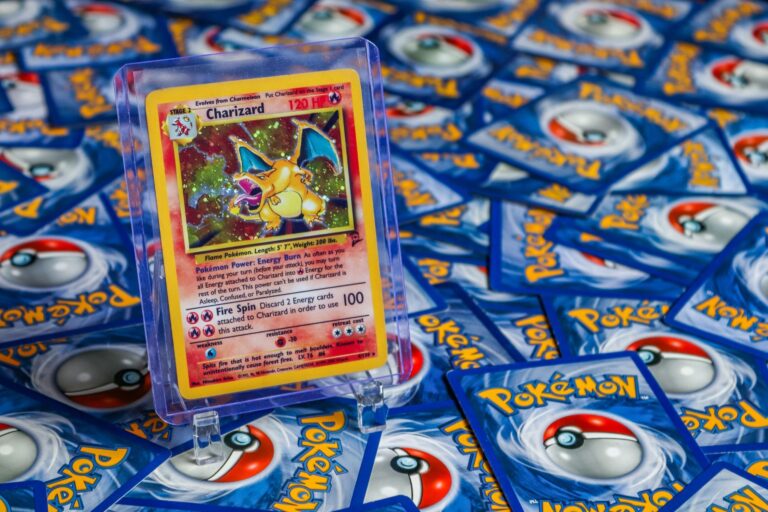
Event cards work like trainer cards in Pokémon. They give you advantages and impose disadvantages on your opponent. This could mean raising or lowering power, or removing characters from the board.
One Piece Card Game Releases
Like most Trading Card Games, One Piece sees releases roughly every 3 months to give 4 sets per year. These releases typically take place in December, March, June, and September. In addition to this, Bandai also releases extra special sets. To date, the game has introduced Extra Booster 01 (EB-01) along with the Premium Booster 01 (PRB-01). Whereas EB-01 was a smaller set.
Starter Decks in the One Piece TCG are key. They usually include all-new cards, with rare exceptions. Every starter deck matters. They might hold cards that become great later, even if they aren't strong at first.
New promos are often released, but many feature alternate art for cards we already know. Some promos are unique and often come out as tournament or prerelease promos. Keep track of these, as they might be valuable later. Now, there are no pricey, unique promos required to stay competitive.
One Piece Organised Play
One Piece is a new game, but it has a strong play program. Bigger events draw over 2,000 players. These starters are small, casual events like Pirates Parties (theming is strong). There are no real prizes, but all players can get promos. There are bigger tournaments, like store tournaments with promos. But Treasure Cups and Regionals, whether online or offline, are where the action heats up.
While there are no cash prizes, there are excellent alternate-art prize cards. Some of these are serial-numbered, which can be very valuable.
Final Thoughts
Learning and mastering the One Piece Card Game is simple and enjoyable. It also boasts a vibrant international community. It is excellent for both casual players and competitive fans because to its simple core concepts, frequent set releases, and well-organized play scene. Building your first deck is one of the best ways to begin your journey if you're just getting started.