
Table of Contents
Free-to-play games generate billions annually. They give away their core product for free. The contradiction seems obvious until you examine the systems pulling strings behind player behavior. These systems create loops that feel natural. They hook you without announcing themselves. They also guide players toward monetization.
Understanding these mechanics reveals clever tricks that keep millions playing daily. Most players never question why they keep returning. "Just one more match" turns into hours. That cosmetic skin suddenly feels necessary. The systems work subtly enough. None of this raises red flags.
Variable Reward Schedules: The Slot Machine Effect
Unpredictable rewards hit harder than guaranteed ones. Your brain releases more dopamine when you might get something good. Definitely getting it? Less dopamine. Free-to-play developers know this and squeeze every drop out of it.
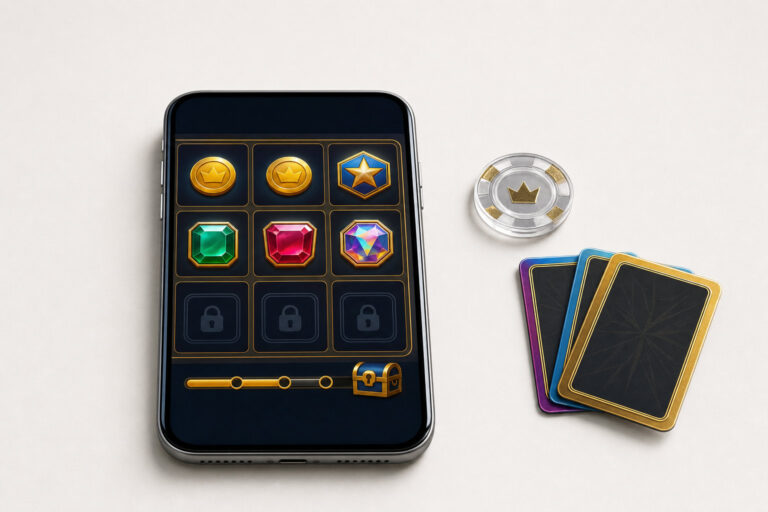
Loot boxes show this in its purest form, those digital slot machines dressed up as treasure chests or card packs. You know roughly what's inside but not specifically. This creates tension. It resolves into either excitement or disappointment. Either way, you're already thinking about the next one.
The randomness extends beyond obvious gambling mechanics. Matchmaking systems create variable challenge levels that keep skill-based rewards unpredictable. Daily login bonuses escalate in value. Missing a day feels like a genuine loss, not just failing to gain something. Even seemingly guaranteed rewards throw in random twists via "lucky" criticals, rare mob drops, or bonus multipliers that activate randomly.
Platforms like SpinBlitz show just how far these systems have evolved. They layer multiple reward schedules. Each one triggers at different intervals. Players experience constant micro-rewards. They're also chasing larger payoffs. Everything feeds into everything else. The short-term dopamine hits from common rewards keep you engaged. You're pursuing the rare items that provide status and progression at the same time.
Progression Systems: The Treadmill You Want to Run
Visible progress feels good. Watching numbers go up, skills unlock, or achievement lists fill triggers satisfaction. The progress means nothing outside the game. Doesn't matter. Free-to-play progression systems nail this trick. Advancement feels both achievable and endless.
Early levels fly by. New players experience rapid growth. This hooks them. Then the grind sets in. That initial rush of unlocking abilities, earning upgrades, and dominating matches sets you up for disappointment. The rest of the game never quite delivers on it though. Progression slows to a crawl eventually. You're invested enough to push through by then. Or you pay to speed things up.
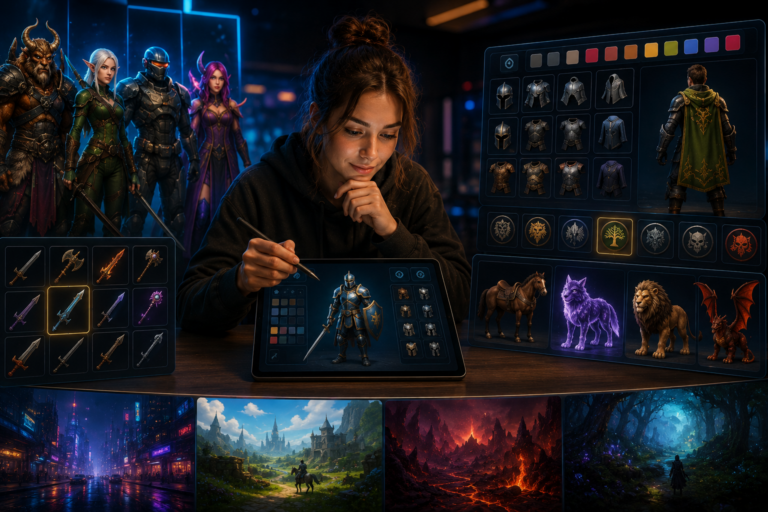
Smart developers layer multiple progression tracks. Character levels increase. You're also climbing ranked ladders, completing battle passes, filling collection logs, and pursuing seasonal achievements. Stall out on one track and another keeps pulling you forward. Hit a paywall on your main goal and a free track throws you just enough breadcrumbs to keep you logging in.
Soft caps and hard caps work together to create monetization. Soft caps let free players progress slowly. The game acts like it cares about not wasting your hours. Premium options start looking better and better though. Hard caps force decisions, you either wait out a timer, grind repetitive content, or pay to continue advancing. The system never completely blocks progress, it just makes the free path tedious enough that spending starts looking reasonable.
Social Pressure: The Community Lever
Playing alone is fine. Playing with friends creates obligations. Free-to-play games turn social connections into money-making machines.
Guild systems tie everyone together. Your progression helps teammates. Theirs helps you. Falling behind means letting people down, a stronger motivator than personal goals for many players. Raid schedules and group content turn gaming from a hobby into a commitment. Miss events or show up undergeared? Social penalties follow.
Games make spending impossible to hide. Leaderboards rank players constantly. Profile pages showcase rare items and achievements. Cosmetic systems let paying players display their investment. Free players wear obvious default gear. Nobody needs to say anything, the visual hierarchy speaks clearly.
Limited-time events exploit fear of missing out. They also add social elements. Everyone's talking about the new content, sharing screenshots, comparing progress. Being left out of those conversations pushes engagement. Exclusive rewards become more desirable. Seasonal content never returns. This creates artificial scarcity. It drives both playtime and purchases.
Cooperative play disguises the money grab as generosity. Sending stamina to friends costs nothing but keeps you opening the game daily. Inviting new players earns rewards. It also expands the player base. Friendly competition in guilds normalizes grinding and spending. Now it's dedication, not exploitation.
Investment Psychology: The Sunk Cost Trap
Every hour played makes quitting harder. Every dollar spent does too. Games leverage this ruthlessly. They pile on emotional baggage until walking away feels impossible.
Account-bound progress chains you to the game. Years of accumulated items, completed achievements, and ranked progress exist only in that game, transferable nowhere. Starting fresh means abandoning not just the content but the investment itself. Some players stopped enjoying the game. They continue anyway out of reluctance to waste what they've built.
Time-gated systems force regular engagement to maintain value. Daily login streaks reset if you miss a day. Brief play sessions become mandatory. Limited-time events with exclusive rewards punish breaks from the game. Seasonal passes lose value if you don't complete them. Pressure builds to play whether you want to or not.
Money spent makes you double down on everything. Players who've spent money rationalize grinding away to get their money's worth. They're not having fun anymore? Doesn't matter. The more spent, the harder it becomes to admit the game isn't worth it. Developers understand this. Small initial purchases lower psychological barriers. Then they introduce higher-priced options.
Social investment multiplies everything else. Friendships formed through gameplay become reasons to keep playing. Frustration doesn't matter much anymore. The social connections outweigh the annoyances. Guild responsibilities create expectations. Competitive rankings establish identities. Players don't want to abandon them. The game becomes a social platform as much as entertainment. The decision to quit? It's about more than just the game itself.
Walking the Line: Profit vs. Player Satisfaction
Walking that line between making money and keeping players happy remains narrow. Aggressive monetization drives players away. Minimal monetization leaves revenue on the table.
Different games walk this tightrope differently. Some remain perfectly playable without spending, monetizing through cosmetics and conveniences. Others create power gaps between free and paying players. This exploits the competitive itch. The successful ones let non-payers compete meaningfully. They give spenders enough advantage to justify purchases.
Long-term player retention matters more than extracting maximum short-term revenue from each user. Games that feel exploitative or make free players feel like second-class citizens get branded as cash grabs. Bad word spreads. Titles that overstep lose community goodwill quickly. Negative word-of-mouth limits the player influx necessary for multiplayer games to function.
The most profitable games over extended periods share common traits: transparent monetization (players can plan around it), systems favoring skill over spending, frequent free content updates rewarding continued engagement, and communities avoiding heavy stigmatization of non-paying players. These games understand something important. A healthy ecosystem has most players paying nothing. They keep the multiplayer population active though. This benefits everyone. Even the small percentage of heavy spenders benefits.
The System Works Because It Feels Good
None of these mechanics would matter if the core gameplay loop wasn't satisfying. The mind tricks work. They amplify genuine enjoyment. They don't create that enjoyment from nothing. Players return. They're having fun. The systems just crank up the volume on that fun and make leaving feel like tearing yourself away.
Recognizing these patterns won't ruin the magic for everyone. You can understand how slot machines work. They still appeal to plenty of people. Being aware of how these progression tricks operate doesn't stop you from enjoying character advancement. The mechanics work on basic human wiring that stays effective even when you know the game.
Here's the thing people miss: these aren't exploitative bugs that snuck into otherwise innocent games. This is the game. Free-to-play games aren't designed around gameplay first with monetization added later. The monetization is the design. The gameplay? Built around the cash register. That reality doesn't make the games less enjoyable, it just explains why they're so good at keeping you engaged.