Table of Contents
- Why competitive card games like One Piece naturally connect with broader digital gaming ecosystems
- The competitive card game boom
- Strategy, probability, and digital game design
- One audience, multiple platforms
- What this means for gaming media and communities
- How strategic players are redefining modern gaming
Why competitive card games like One Piece naturally connect with broader digital gaming ecosystems

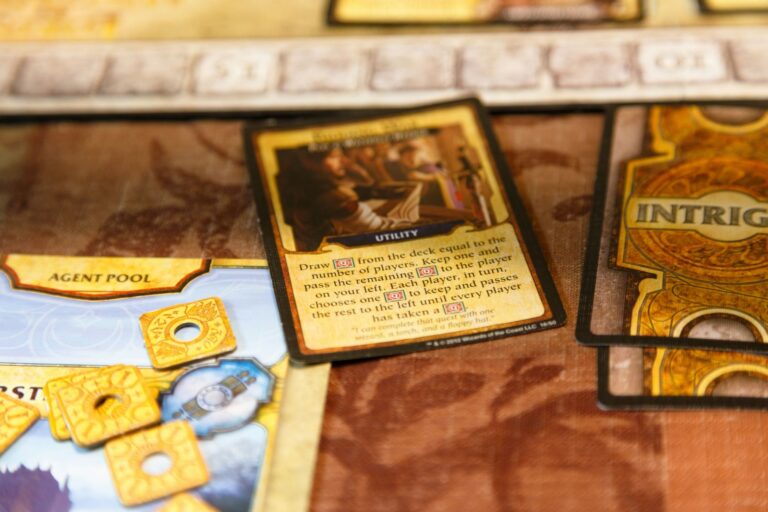
Gaming doesn’t live in neat little boxes anymore. Tabletop card games, digital strategy titles, and online platforms are all starting to blur together, and for most players, that crossover just feels normal. Competitive card games are right at the heart of it, built around smart decisions, probability, and long-term thinking that translate easily whether you’re playing in person or on a screen.
If you play the One Piece Card Game, you’ve probably noticed this shift without even thinking about it. Building decks, tracking the meta, and planning several turns ahead isn’t something that stops once a match ends or a tournament wraps up. It’s part of a wider gaming mindset that carries over into other formats, shaping how strategy-focused players approach games across different platforms.
The competitive card game boom
Skill-driven play is back in the spotlight
Over the last few years, competitive card games have seen a strong resurgence. Players are drawn to games that reward planning, adaptability, and the understanding of complex systems, rather than simple reaction speed. The One Piece Card Game fits perfectly into this trend, offering layered mechanics, evolving metas, and constant opportunities for strategic expression.
This rise has also been fueled by online discussion, deck databases, and meta breakdowns. Players don’t just play anymore – they analyze, test, and refine. That analytical mindset has become a defining trait of modern card gamers.
Digital tools are reshaping how players learn
Alongside physical play, digital tools have transformed how players engage with card games. Simulators, matchup trackers, and strategy guides allow players to explore game mechanics at a deeper level. Learning no longer happens only at the table – it happens through content, data, and shared community knowledge.
This shift has quietly prepared card game audiences for other digital experiences that rely on similar skills.
Strategy, probability, and digital game design
At a fundamental level, competitive card games train players to get comfortable with uncertainty. Every turn involves weighing odds, reading the board state, and making the best possible decision without knowing exactly what comes next. You rarely have perfect information – and that tension is a big part of what makes strategic card games so engaging.
Those same mechanics are easy to spot in online casino gaming as well. Many formats are built around probability, pacing, and player choice, where understanding systems and timing matters just as much as instinct. For card game players, this creates a sense of familiarity. Platforms where players play online casino games can feel recognizable not because of outcomes, but because they rely on the same ideas of risk assessment, focus, and decision control that card gamers already use.
That overlap is why some strategy-minded players naturally explore spaces where they play online casino games as an extension of their broader gaming habits. The skill overlaps are significant. This space is about engaging with structured systems where discipline, patience, and smart choices shape the experience. In that sense, online casino platforms don’t feel disconnected from card games, but instead like another place where a strategic mindset fits right in.
Entertainment built on informed choices
What connects these formats is not reward, but engagement. Strategic players enjoy environments where every action has weight, and where understanding the system improves the experience. Whether adjusting a deck list or choosing when to act in a digital game, the satisfaction comes from making informed choices within a structured framework.
One audience, multiple platforms
Card gamers don’t think in silos
Today’s players rarely limit themselves to a single type of game. Someone who enjoys competitive card play often seeks out other experiences that respect their intelligence and strategic instincts.
This has led to overlapping communities where card gamers discuss everything from matchup theory to wider digital gaming trends. Within that context, mentions of online casino platforms often appear as part of a broader conversation about strategy-driven entertainment, rather than as a separate or disconnected topic.
Familiar mindsets carry over
The habits learned in card games translate well elsewhere:
- Evaluating odds before committing to a decision
- Staying disciplined during long sessions
- Understanding variance and accepting unpredictable outcomes
- Focusing on process rather than results
These shared traits explain why card game players feel comfortable exploring different digital environments that operate on similar principles.
What this means for gaming media and communities
Coverage is becoming more holistic
Gaming news sites are adapting to these blended interests. Rather than treating card games, digital platforms, and other strategy-based experiences as isolated niches, modern coverage reflects how players actually engage with games – fluidly and with curiosity.
For communities centered on card games, this approach makes sense. Players want context, comparisons, and insights that help them understand how their favorite games fit into the larger gaming ecosystem.
Strategy-first audiences are shaping the future
As strategy-focused players continue to influence gaming culture, platforms that respect thoughtful play will remain relevant. Whether through competitive card games, digital strategy titles, or probability-based entertainment, the common thread is engagement rooted in choice and understanding.
How strategic players are redefining modern gaming
Competitive card games like the One Piece Card Game are no longer confined to a single space. They represent a mindset – one built on strategy, analysis, and informed decision-making. As gaming continues to evolve, it’s only natural that these players explore multiple formats that value the same skills.
By understanding these connections, gaming communities and media platforms can better reflect how players actually play today – not in isolated categories, but across a connected world of strategic digital experiences.