Table of Contents
Card games that spring from beloved fictional worlds have a way of turning fans into competitors. It’s no surprise that the card game market might be worth USD 15.84 billion by 2034. Moreover, games like Gwent brought The Witcher to card tables, while Artifact tried to capture Dota’s intensity in competitive matches. These crossovers let players step back into familiar stories while testing their strategy in a new form.
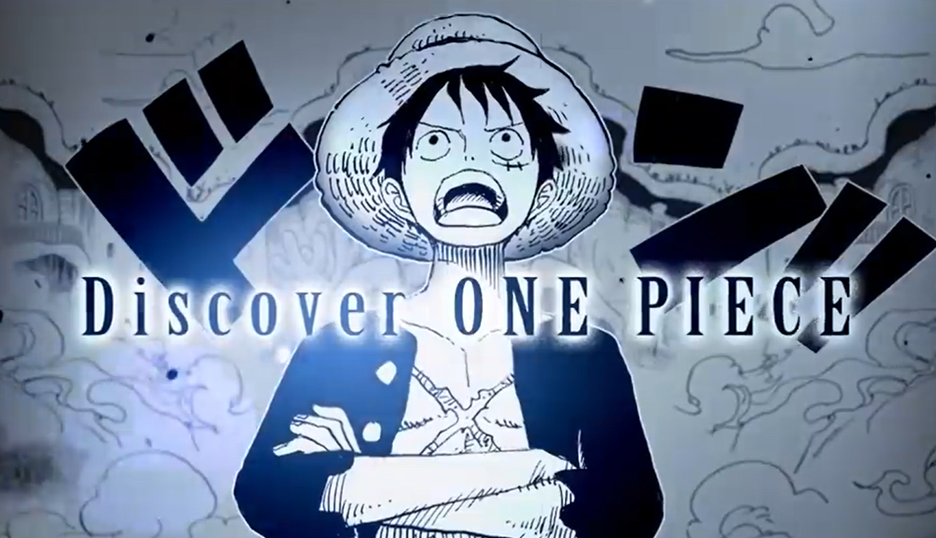
Since its initial debut in Japan, the One Piece Card Game has built a passionate fan base. It has been blending fast-paced duels with the spirit of adventure that defines Eiichiro Oda’s universe rather seamlessly. Now, with worldwide expansion, it’s poised to reshape the trading card game scene.
(source: IGN YouTube Channel)
One Piece World and the Release: A Note
One Piece is a sprawling pirate epic built on adventure and colorful characters. The trading card game distills that energy into cards that represent:
- Crews
- Iconic attacks
- Story moments
The publisher has confirmed a worldwide push with a global release 2026. Moreover, it’s surely one that moves the title from regional popularity to a truly global stage. Check out this 2026 schedule:
Jan 16, 2026
- OP 14
- DP-09
- ST-29: Starter Deck
- Illustration Box Vol 5 and 6
Feb 2, 2026
- EB-03
- Official Sleeves 13
Main Decks and Core Rules
The One Piece Card Game uses a mix of starter decks for newcomers. There are also booster products for collectors, while the gameplay revolves around:
- Leader cards
- Character and event cards
- Damage markers
- Distinct resource flow
The rules use block icons and battle phases that feel familiar to the modern TCG community. It maintains a pace suitable for both quick matches and longer competitive play.
| Deck Type | What It Is | Why It Matters |
| Starter Deck | Ready to play set for new players | Lets the newcomers jump in fast |
| Booster Pack | Randomized cards to expand collections | Drives the collectible cards market |
| Expansion Set | Themed additions with new mechanics | Keeps your multiplayer strategy fresh |
Every match revolves around building resources called “Don!! Cards,” which fuel attacks and abilities. Overall, the gameplay’s smooth balance of strategy and speed is much desired in anime card games. One can even say that there’s potential to rival heavyweight titles like Pokémon or Yu-Gi-Oh! in the coming years.
Events: Tournament Plans and Calendar
The expansion isn’t just digital; Bandai Namco is planning major card game events and releases across Europe, North America, and Asia. These are slated to mark the worldwide release. The 2025-26 calendar already includes regional championships leading up to larger international contests.
From friendly local meetups to livestreamed finals, the TCG community is growing fast. You can observe this with online leagues, deck showcases, and fan-made guides filling YouTube and Discord servers. The company also plans to introduce a rotation system in April 2026 to keep formats fresh. It’s a move that many believe will encourage innovation and fair play.
This active tournament scene reflects how player engagement is becoming the lifeblood of modern collectible games. Fans aren’t just playing — they’re creating stories, analyzing meta decks, and sharing strategies across continents.
Why Fans Are Hooked: The Appeal of Collectability and Design
Part of what makes the One Piece Card Game all the more special is its:
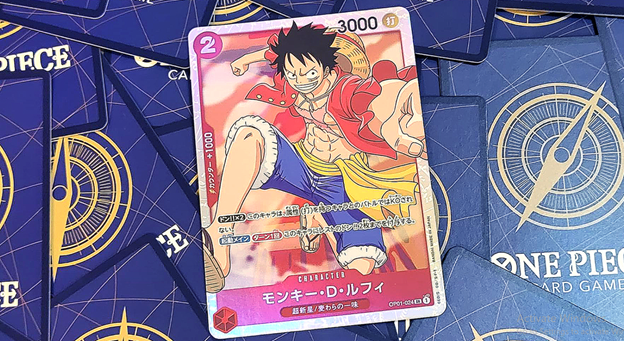
- Artwork: Each card feels like a collectible memento from the anime that’s vivid, cinematic, and nostalgic.
- Lore Connection: Collectors often say opening a booster pack feels like revisiting the series itself.
- Emotion and Design Blend: The rise of collectible cards across franchises has shown that strong design and emotion sell. One Piece’s cards go beyond gameplay. They also act as tiny tributes to moments fans already love.
- Detailing: Right from glossy finishes to limited-edition prints, everything gives players both a strategic and emotional reason to invest.
In fact, the artwork is so vivid that each card almost feels like a still frame taken directly from the anime. This lifelike quality blurs the line between static art and animation — and with today’s advances in deepfakes even such stills could, in theory, be brought to motion. It highlights how far visual design in collectible games has come, merging traditional artistry with cutting-edge digital realism.
Moreover, there are many collaborations with stores in Japan, the UK, and the US. This has helped ensure that collectors stay motivated long after the initial hype.
Where Does It Fit in Modern Gaming Trends?
The global expansion reflects broader gaming trends quite closely. More specifically, how anime-based titles are finding success beyond their source material. Unlike short-lived crossovers, One Piece gets to benefit from decades of storytelling.
Along with that, a diverse fan base is already invested in its world. The beta versions focus on multiplayer strategy, regular expansions, and immersive lore, creating something that’s accessible for beginners. Yet it’s also rewarding for veterans.
A Voyage Worth Following
The One Piece Card Game’s global release arrives at a time when the trading card game market is hungry, especially for fresh, licensed experiences that aren’t overused.
So, if events are handled well and expansions keep delivering, the game will likely add another visible title to anime card games worldwide. For collectors and competitors alike, the next two years will determine how high this franchise can sail.