
Table of Contents
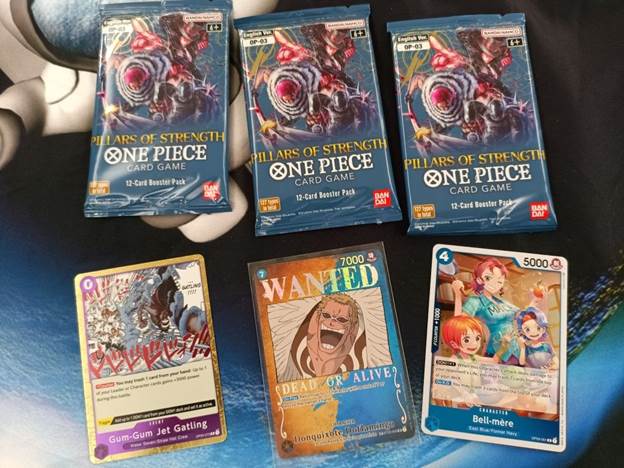
The One Piece Card Game is a popular choice among fans worldwide. Its quick pace, eye-catching art, and familiar anime characters make it stand out. Even though games move fast, there are still plenty of strategic moments for all players.
Every decision in the game matters. A single wrong attack can change the match, while a smart move can set you up to win. Risk and reward are always present, especially when you decide to attack life points.
When to Swing at Life vs Board
Good players do not always rush to attack life points. Sometimes, it is better to clear the board first, especially if your opponent has strong attackers or reliable blockers. Leaving major threats on the board can cost more than waiting an extra turn to pressure life.
Play styles can differ depending on region and competitive culture. In the United States, for example, players often lean toward aggressive strategies that apply early pressure to life totals. This approach can succeed in fast games, but it may fail against decks that rely on strong triggers to swing momentum.
Players in the United Kingdom tend to play more cautiously. They usually build their field slowly and attack life only after clearing threats or establishing defensive options. This slower style reduces risk and limits openings for counterattacks.
In New Zealand, some players draw parallels between the risks found in card games and playing NZ's online pokies. Both involve moments of tension when committing to high-risk decisions. Timing and risk management matter in each case.
This mindset encourages players to remain calm and make more informed choices under pressure. Attacking life is not only about applying pressure but also about maintaining control. Knowing when to wait and when to strike separates average players from strong competitors.
Playing Around Triggers
Triggers are a constant concern during matches. They can shift the game in a single moment if you are not prepared. Hitting a life card may feel productive, but it can quickly lead to your board being cleared or a blocker appearing unexpectedly.
Most decks include impactful triggers, and experienced players plan around them. Red decks often rely on rush attackers, while blue decks may return your strongest card to hand. Checking your opponent’s colour early helps set expectations for what might appear from life.
Do not attack without a clear plan. Consider how you would respond to a negative trigger outcome. Ask whether your board can survive the setback or if you have follow-up attackers ready. Keeping a small resource buffer helps maintain control even when surprises occur.
Reading Opponent Life Based on Leader and Colour
Understanding your opponent’s leader and colour gives valuable insight. Certain leaders are closely tied to deck types that almost always include specific triggers. For example, Red Zoro decks frequently run rush threats, while Black Sakazuki decks often focus on removing high cost characters.
Colour provides additional information. Green decks tend to run blockers or cards that rest opposing characters. Purple decks often recover DON!!, allowing them to fuel strong counters. Knowing what each colour commonly supports helps predict what may be hidden in life.
Leader choice also affects deck behaviour within the same colour. A Blue Doflamingo deck plays very differently from a Blue Crocodile deck. Looking at both colour and leader together gives a more accurate picture. Learning these patterns takes time, but it leads to stronger reads and better decisions.
Resource Trade-offs and DON!! Efficiency
DON!! functions as the core resource of the game. Every play, attack, and defensive option depends on how it is allocated. Spending all available DON!! to push damage can leave you exposed during your opponent’s next turn.
For this reason, skilled players sometimes skip attacking life to preserve DON!! for blocking or countering. Holding back one or two DON!! can significantly improve survivability, especially in longer matches. Slowing the pace can be more effective than exhausting resources too early.
It is also important to evaluate returns. If you spend six DON!! to deal one damage but lose the attacker immediately after, the trade may not be worthwhile. In some situations, using that DON!! to strengthen your board or deploy a blocker provides more long-term value.
Efficient players maximise each turn by spending DON!! carefully and avoiding overcommitment. Watching both your own and your opponent’s DON!! totals lead to smarter plays and more consistent results.
Examples from Meta Decks
Top decks from recent formats demonstrate these principles clearly. Zoro decks play many low-cost cards and attack quickly, but they must recognise when to pause. Against opponents with strong counters, experienced Zoro players may wait a turn to force their opponents to use those resources first.
Doflamingo decks operate at the opposite pace. They build gradually, stack the deck, and control which triggers appear. This allows for precise planning and reduced risk because upcoming outcomes are more predictable.
Law decks shift between control and aggression depending on the matchup. In some games, they resemble red rush strategies. In others, they behave more like green midrange decks. Their strength lies in flexibility and knowing when to apply pressure or hold back.
Watching high-level tournament play offers valuable insight. Observing how top players manage risk, read opponents, and sequence actions helps refine decision-making. The key is to study patterns, understand why choices were made, and apply those lessons to your own play.
Final Thoughts
Knowing when to attack life and when to play conservatively can decide entire matches. Strong players adjust their decisions based on board state and opponent behaviour rather than relying on a single aggressive or cautious approach.
With experience, these choices become more intuitive. Over time, players recognise patterns, avoid common traps, and secure more wins by thinking ahead. Each smart decision builds confidence and brings you closer to mastering the game.