
Table of Contents
Mobile gaming is booming, and One Piece is no exception. Based on the iconic manga and anime, One Piece mobile games have climbed the charts of the top grossing mobile games. At the heart of this success lies one mechanic: microtransactions. Specifically, the use of randomized gacha systems has reshaped how fans interact with One Piece cards, characters, and content. But what are the real-world impacts of these purchases? This article explores the psychological pull of microtransactions, how they shape behavior, and what players can do to stay in control.
Gacha Mechanics and the Pull of Chance
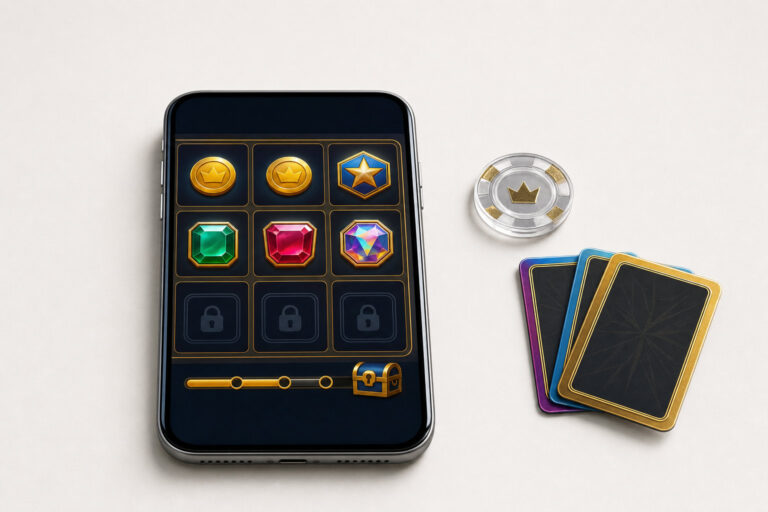
Gacha systems work like digital lottery machines. You spend in-game currency—sometimes earned, often bought—to draw random items. These might include powerful One Piece cards, rare characters, or gear upgrades. The thrill lies in the unknown. You might get a 5-star Luffy—or a duplicate of something useless. Developers rely on this unpredictability. It's what keeps people engaged. Every new banner, character drop, or event is another chance to win big. This core mechanic plays a major role in keeping One Piece mobile games among the highest grossing apps on the market.
How Promotions Fuel Spending
Gacha games rarely rely on pure randomness alone. They entice users with timed promotions, “first draw free” offers, and tiered rewards. For example, many mobile games offer bonuses that resemble casino-style incentives. A perfect example of this marketing strategy is 120 free spins for real money which attract users by the opportunity to play slots and win real money without spending a penny. In gacha games, a similar logic applies—free draws or discounted bundles drive players to test the waters. Once emotionally invested, they’re more likely to start paying. Many players feel they’re getting more value by participating in limited-time offers. This behavior is deeply tied to human psychology.
The Psychology of Small, Frequent Spending
Microtransactions don’t feel like real money. Spending $0.99 for a chance at a powerful One Piece card game unit seems harmless. But over time, these small payments add up. This pricing model is intentional. Developers design games to normalize spending. You progress faster, win more battles, and unlock better content—but only if you pay. These micro-rewards reinforce the behavior. It’s the same psychological loop seen in slot machines.
Key psychological triggers include:
- Variable rewards: Players get unpredictable but exciting results.
- Loss aversion: Missing out on limited-time characters feels like a punishment.
- Commitment escalation: Once you’ve spent money, you’re more likely to keep spending.
These patterns help explain why even casual players can quickly rack up large bills in what many hoped would be a free experience.
Community Divide: Whales vs. F2P
Within the player base, spending habits often create social tension. Some users, known as “whales,” spend hundreds or thousands to get the best characters and dominate the leaderboards. Others remain “F2P” (free-to-play), grinding slowly through limited resources. This divide can lead to frustration. Free players may feel left behind or excluded from high-level content. Whales, in turn, drive revenue—but also alter the competitive balance. This creates a growing gap between players who pay to win and those who play for fun. The developers must constantly balance this ecosystem. They need to reward paying players without alienating the rest.
Comparison to Casino Models
It’s not a stretch to compare gacha games with online casinos. Both rely on RNG (random number generation). Both use flashy visuals and big payouts to drive user engagement. And both carry financial risks if users lose control. In fact, many countries have started regulating loot boxes and gacha mechanics due to their resemblance to gambling. While you can’t “cash out” in One Piece games, the emotional and financial investments are real. The line between entertainment and exploitation grows thinner each year.
Why Developers Stick With It
For game companies, microtransactions are a goldmine. They’ve turned mobile titles into the best paid mobile games, often outperforming console releases. A steady stream of revenue from daily purchases supports content updates, marketing campaigns, and server infrastructure. Developers design around monetization. Characters are released in cycles. Events are locked behind paywalls or stamina systems. Everything is engineered to nudge players into spending—subtly or directly. Still, most devs understand the risk of backlash. If players feel exploited, they walk away. That’s why fair reward rates, transparency, and occasional generosity are crucial for long-term player trust.
Staying Safe: How to Enjoy Without Overspending
It is possible to enjoy One Piece mobile games without burning a hole in your wallet. Here are a few practical tips
- Set a monthly budget and stick to it.
- Skip limited-time banners unless they feature your favorite character.
- Join online forums to share F2P strategies.
- Use free resources like daily logins and quest rewards.
- Avoid impulse purchases—sleep on it before spending.
Conclusion
Microtransactions changed how mobile games work. In One Piece, they bring excitement but also stress. From gacha draws to bonuses, these systems keep players hooked and revenue flowing for game companies. For fans, the key is awareness. You can enjoy the ride without losing control. Know the system, limit your spending and play with purpose. Remember why you started—fun, not stress. Build your dream crew, win big or small, but on your terms. The thrill should never cost your peace.