Table of Contents
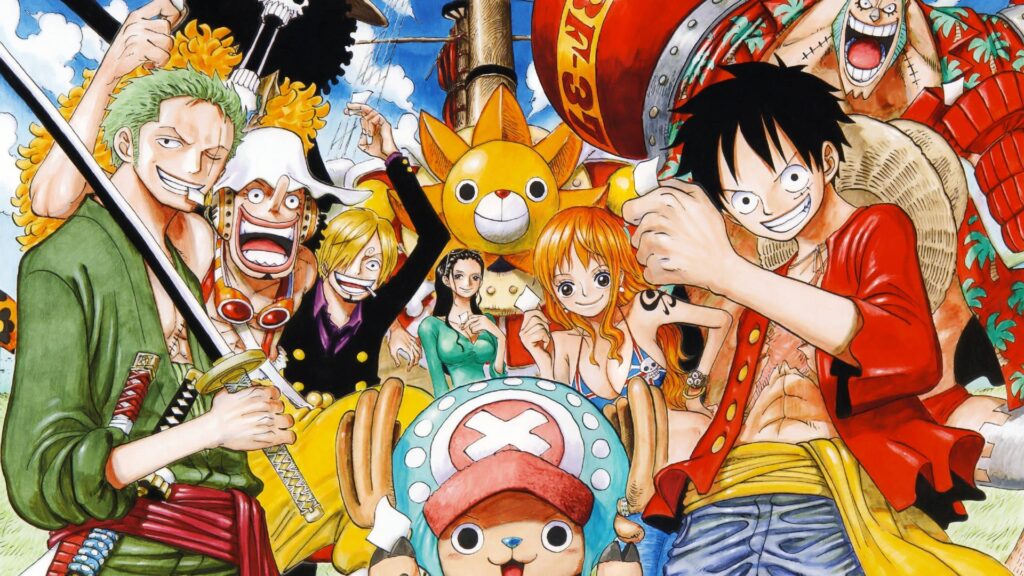
THE ONE PIECE finally has a real release window, and the remake is already looking much tighter than expected.
WIT Studio’s new anime remake is set to begin on Netflix in February 2027, with seven episodes confirmed for the first season. The season will cover the start of the manga through the point where Luffy meets Sanji, which puts the first batch right around the Baratie setup. Netflix is also expected to release the full season at once.
Why Seven Episodes Is a Bigger Deal Than It Sounds
Seven episodes might sound small for One Piece, because this is a story famous for being huge.
That is exactly why the number matters.
The original anime has been running for decades, and that size can scare off new viewers. Plenty of people want to try One Piece, then see the episode count and quietly walk away. THE ONE PIECE remake fixes that problem by starting again from the beginning with a shorter, cleaner format.
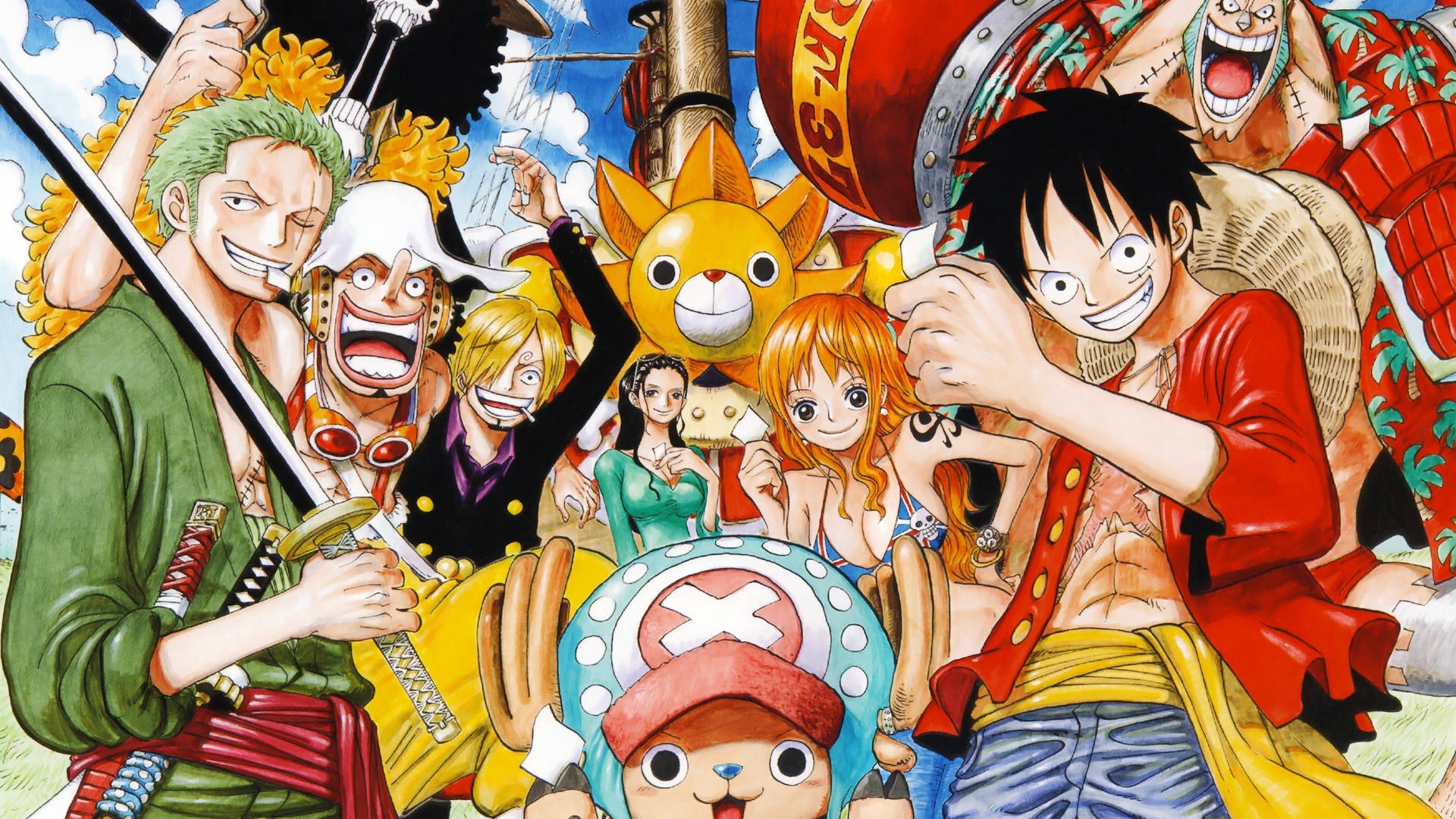
The first season is expected to cover around 50 manga chapters. That gives WIT Studio enough room to introduce Luffy, Zoro, Nami, Usopp, and the early East Blue world without dragging every scene out. It also means the remake can reach Sanji much faster than the older anime did.
That pace is important. East Blue has a lot of charm, but it also has to work hard. It needs to show why Luffy matters, why the Straw Hats are different, and why this weird pirate world is worth following for years.
If WIT gets that balance right, this could become the easiest way to start One Piece.
Why This Remake Fits the Current One Piece Boom
One Piece is in a very strange place right now, in the best way.
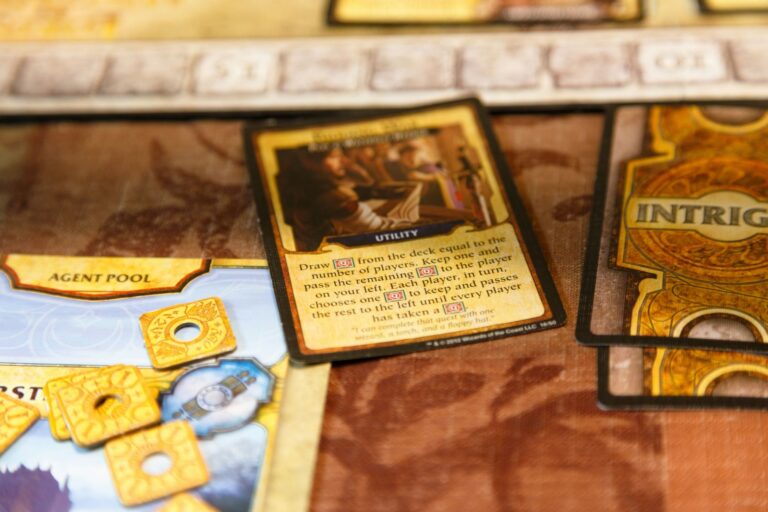
The manga is deep into its final saga. The original anime is still active. The Netflix live-action series brought in people who never touched the anime. The card game has its own player base, price tracking, deck lists, and meta tools. That means the remake is not arriving in an empty space. It is landing during one of the busiest One Piece periods ever.
This also matches a wider trend across online fandom. Big entertainment worlds no longer live in one format. A series can be an anime, a card game, a live-action show, a merch market, a collector scene, and a streaming event at the same time.
You can even see similar attention loops in other online entertainment spaces, for example, gambling, where regulation, trust, and discovery matter more than raw hype. Particularly, offshore casino markets. These casinos have been getting more attention lately. They offer more games, more bonuses, and more flexibility to players. Curaçao is the leading example, but not to go off topic too much, you can check some Curaçao casinos on a site that is clearly focused on that: Curaçao Online Casinos. They have a Curacao regulated online casinos list for readers who want to compare those operators in one place.
For One Piece, the same basic idea applies in a cleaner fandom way. When more people enter the world, more parts of the ecosystem move. Viewers become collectors. Collectors become players. Players start watching older arcs again.
What WIT Studio Needs to Get Right
The animation will get most of the attention, but pacing is the real test.
WIT Studio already has a strong name because of shows like Attack on Titan and Vinland Saga. That makes the remake feel serious from the start.
Still, One Piece is a different kind of job. It is not only about sharp action. It needs comedy, strange faces, emotional timing, goofy side characters, and those quiet scenes where the story suddenly punches you in the chest.
The early arcs need very different moods:
- Romance Dawn needs Luffy to feel strange, fun, and dangerous.
- Orange Town needs Buggy to feel ridiculous without becoming harmless.
- Syrup Village needs Usopp to be annoying first, then worth caring about.
- Baratie needs Sanji to land with real heart, not just cool kicks.
That is a lot of tone to handle in seven episodes.
The remake cannot move so fast that the crew feels thin. At the same time, it cannot move so slowly that it defeats its own purpose. The whole point is to give modern viewers a better way in.
Why One Piece Card Game Players Should Pay Attention
A strong remake can push early characters back into the spotlight. New viewers may finish Season 1 and start caring about the East Blue crew in a fresh way. That can change which cards casual players search for, which leaders newer fans want to build around, and which older character themes feel exciting again.
The obvious names to watch are:
- Luffy
- Zoro
- Nami
- Usopp
- Sanji
- Buggy
- Kuro
- Zeff
- Mihawk
That does not mean the meta suddenly changes because Netflix drops seven episodes. Competitive play still depends on card pools, set releases, bans, and tournament results. But fan demand is a different thing. The remake could make early One Piece characters feel “new” again to people who missed the first wave.
That matters for collectors, too.
The Baratie Endpoint Is a Smart Choice
Stopping around Sanji makes sense because Baratie is one of the first arcs that feels like true One Piece.
Before Baratie, the series is still building its rhythm. You meet Luffy, Zoro, Nami, and Usopp, and you start learning how this world works. But Baratie adds a different kind of emotion. Sanji’s story with Zeff gives the series a bigger heart. Mihawk’s arrival also makes the world feel much larger.
That is why reaching Sanji in Season 1 feels smart. It gives the remake a strong reason to exist beyond “the animation looks newer.” It lets the first season end near a point where the Straw Hats feel more complete, while still leaving plenty of East Blue story for later.
If Season 2 continues from there, the obvious next major hook would be Arlong Park. That is where many fans stop “trying” One Piece and start fully caring about it.
What We Still Need to See
The next big test is footage.
Concept art and staff names are useful, but they can only say so much. One Piece lives through movement. Luffy’s body needs to stretch in a way that feels playful, not rubbery and weird. Zoro’s sword scenes need weight. Sanji’s kicks need style. Buggy needs chaos. Nami needs sharp expressions, because half of early Nami is in the face.
Voice casting also matters a lot. Luffy is one of those characters who can fall apart if the performance misses the tone. He has to sound simple without sounding empty. He has to be funny without losing the captain energy. That is harder than it looks.
The remake also needs to keep the rough charm. Early One Piece is not polished in the same way later arcs are. It is scrappy, odd, and full of strange little choices. If the remake makes everything too clean, it may lose some of what made the early story work.