
Table of Contents
The One Piece has become one of the most exciting trading card games in the world. Ever since its release, it has garnered a vibrant community of players and a thriving marketplace of collectors and traders. It's a mix of competitive depth and the cultural power of the One Piece franchise with a highly active trading market.
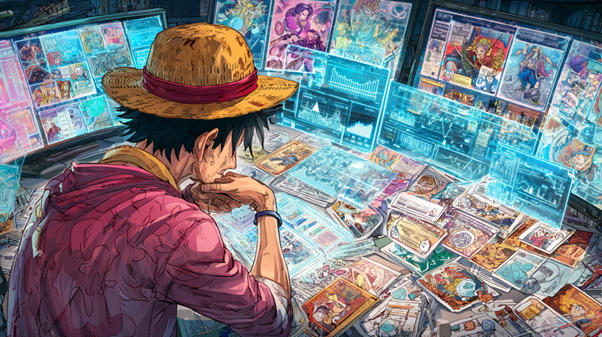
As with any collectible card game, some cards increase in value while others may even lose value over time due to rarity or playability. If you’re serious about building a strong collection, you must learn to identify real value cards to make smart trades. In this article, we will help you trade smarter and spot value cards in the market.
Understanding What Drives Card Value
Not all cards are created equal, and the factors are determined by:
- Rarity: Cards with alternate art, secret rare foiling, and promotional cards are naturally harder to find. These collector-oriented cards maintain their value irrespective of tournament outcomes.
- Competitive playability: Cards are used in winning decks at tournaments, and quickly spike in demand. Leaders like Zoro or Red Luffy gained attention when their deck won. Utility cards with wide applications, like low-cost blockers or universal counters, also hold long-term value.
- Fan Appeal: A character’s popularity in the anime/manga series plays a key factor in its value. Even if they are less played, they are likely to hold their high value because they are considered collector favourites.
Just as you would at an online casino, it is important to understand games and gambling operators before you make a decision. If you are someone looking to find a reputable online casino for real money, GHZD has reviewed some of the top platforms for you.
Tracking Market Trends
The one-piece trading card market is constantly changing, so it is important that you stay updated. This step will ensure that you are buying smart and not overpaying.
- Online marketplace: Compare online sites like TCGPlayer, eBay, and other Japanese platforms like Yuyutei to show real-time card prices.
- Tournament reports: After every championship or regional tournament, the cards that were dominated by leaders, their market cost could shift. Watch out for those.
- Community channels: Being active at community groups like Discord, Facebook, etc, will allow you to spot trends before the market reacts, giving you an advantage.
Above all, cross-check between Western and Japanese markets, since One Piece originated in Japan. The chances of picking up early chatter can benefit your play.
Grading and Condition Matter
If you plan to trade often, it is important that you understand how to protect your card value. A near-mint card is valued 20-40% higher than a lightly played one. Whereas graded cards are worth even more value, so make sure to lock in your card value.
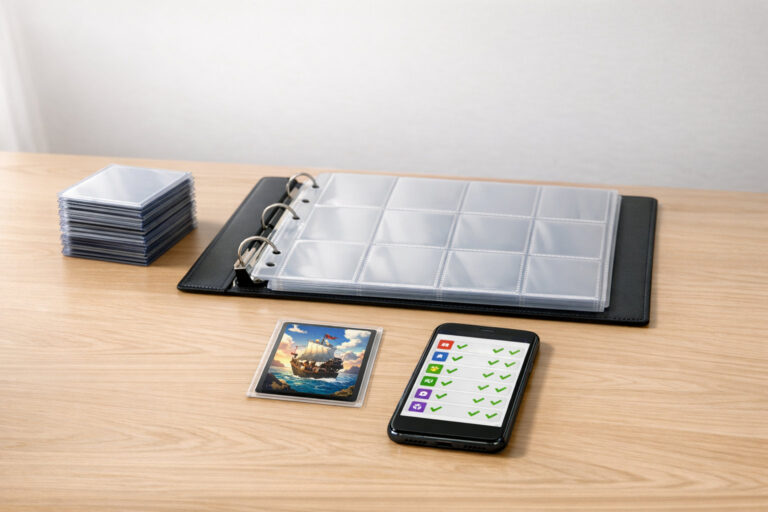
Even the smallest of scratches or whitening can drastically reduce long-term value. Make sure that all your cards are stored safely, especially the rare ones, in top loaders or sleeves to avoid excessive handling.
Trading Strategies
The way you approach your trading will be key to landing a good deal. As a player, learn to focus on liquidity by trading into staples that will be useful through multiple decks. Don’t chase cards that are too hyped up; wait until the prices reduce before investing.
When it comes to collector trading, prioritizing rare variants will be a better option. Cards with scarce printing, like Judge promos, Manga Arts, etc, are perfect for your collection. Always think long term, since some cards are iconic, they are more likely to hold cultural significance longer.
Avoid Common Mistakes
Now, as much as trading is fun and exciting, there are a few things that you need to pay attention to. A few bad decisions can directly hurt your portfolio.
- Prices often double or triple after a release or tournament win. Wait for the right moment to purchase and avoid overpaying during hype.
- Just because a character is your favourite does not necessarily mean it's a good investment. Avoid biased opinions and trade well.
- A card may seem rare, but if it has multiple reprints planned, its long-term value will decline.
Smart trading is all about discipline, so don’t let fear of missing out dictate your moves. Be patient, and stick to your gut so you can make the best of the decks out there.
Final Thoughts
Trading in the One Piece card market is not all about luck, but it is about knowledge as well. By understanding what drives card value, tracking trends, grading your high-end cards, and avoiding hype-driven mistakes, you’ll be able to make smarter decisions.
Whether you are chasing the perfect deck, hunting rare one-piece cards, or even planning to build a unique collection, the key is to stay ahead. Make sure that you are using the best strategies, like the ones mentioned in the article, to build a strong portfolio.